
Stay Informed with Time & Pay
This week’s labor law update covers OFCCP affirmative action requirements, EEOC national origin discrimination guidance, and a new FMLA decision shaping employer responsibilities.


In the evolving landscape of U.S. tax policy, President Donald Trump has proposed several changes that could significantly impact payroll processes for businesses. These proposals include eliminating taxes on tips, overtime pay, and Social Security benefits. Understanding these potential changes is crucial for companies to adapt their payroll systems accordingly.

Discover essential strategies for employers navigating the aftermath of Hurricane Helene. Learn how to address employee safety concerns, manage leave requests, support relief efforts, and provide financial assistance while staying compliant with labor laws. This comprehensive guide offers practical advice to help businesses emerge stronger from natural disasters.

Ever feel like you're drowning in a sea of paperwork? You're not alone. In today's fast-paced business world, managing documents efficiently is crucial. Let's dive into how modern document management systems are revolutionizing the way we handle workplace documentation. Say Goodbye to Paper Chases Remember the days of chasing employees for signatures on important documents? Those days are over. As noted in our recent research, "Documents here can have a signature page attached so that the employee can acknowledge that they've read the document." This simple feature is a game-changer for HR professionals and managers. Customization is King One size doesn't fit all when it comes to workplace documents. That's why the ability to "build custom documents that employees can fill out and sign" is so valuable. This flexibility allows you to tailor forms to your specific needs, ensuring you capture all the necessary information without unnecessary fluff. The Remote Work Revolution With more people working from home than ever before, digital document management isn't just convenient – it's essential. Electronic signatures and customizable forms are becoming the norm, reflecting a broader shift towards digital workplace practices. Beyond Basic Document Management Smart document systems do more than just store files. They: Streamline workflows by reducing follow-ups Ensure compliance by tracking acknowledgments Foster accountability through clear record-keeping Enhance employee engagement with user-friendly interfaces Real-World Impact Let's look at a quick case study. TechCorp, a mid-sized software company, implemented a new document management system last year. The results? 50% reduction in time spent on document-related tasks 95% improvement in on-time policy acknowledgments 30% increase in employee satisfaction with HR processes Tips for Getting Started Ready to level up your document game? Here are some quick tips: Assess your current pain points in document management Look for systems that offer both signature tracking and customization Consider integration capabilities with your existing tools Don't forget about user experience – employees should find it easy to use Start small – pick one process to digitize first, then expand What's Next? The world of document management is evolving rapidly. From AI-powered form filling to blockchain-verified signatures, the future looks exciting. Stay tuned to our blog for the latest trends and tips. Ready to transform your document processes? Click here to learn more about cutting-edge document management solutions . Remember, in the digital age, smart document management isn't just about going paperless – it's about empowering your team to work smarter, not harder. Let's make drowning in paperwork a thing of the past!

Looking to decide on the best pay frequency for your business? Consider the cash flow, employee satisfaction, and legal implications. Learn about the various options and what to think about for each one in this insightful blog post.
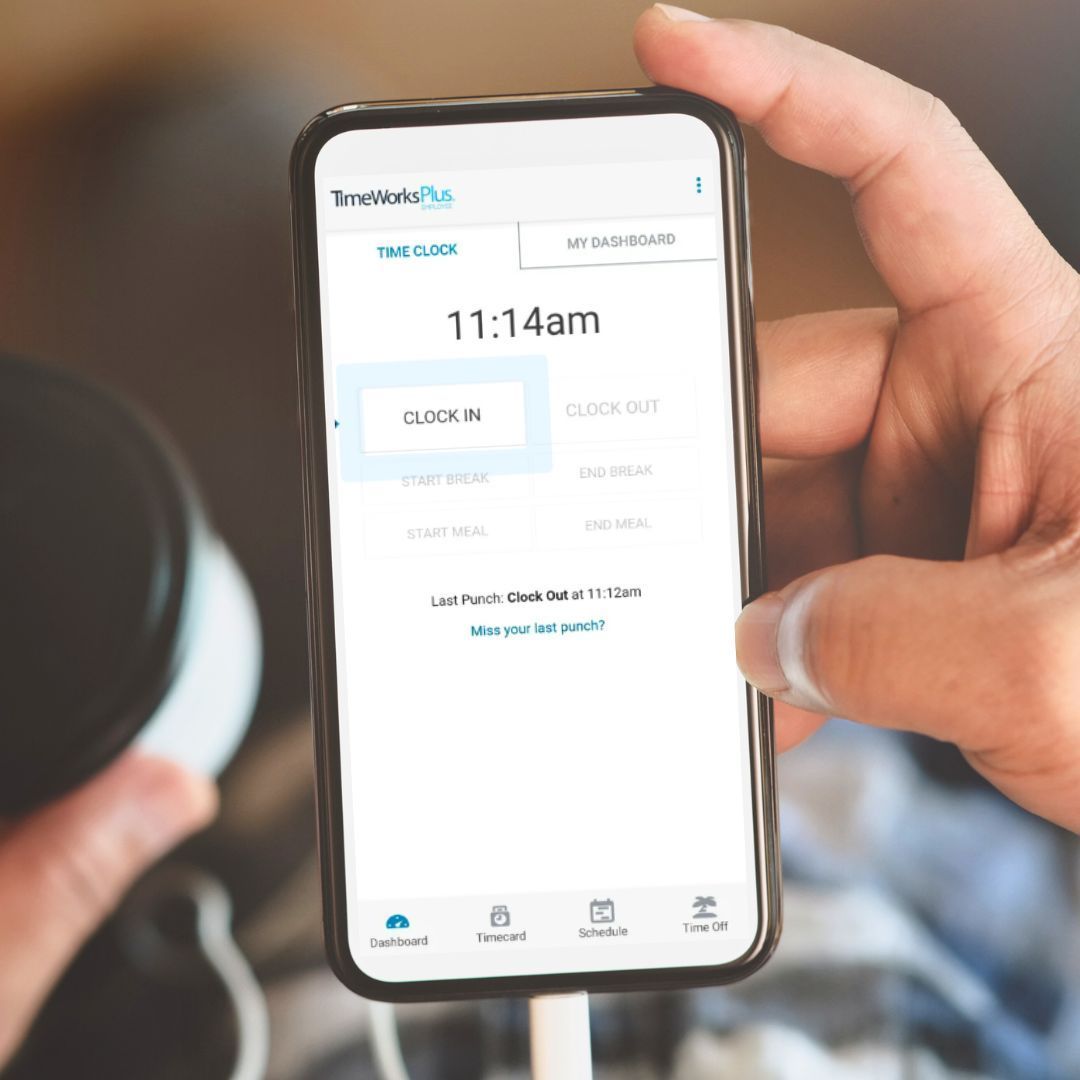
Discover the latest technology for managing employee time punches and time cards, and learn how to streamline your time management while protecting your business. From geo fencing to mobile applications, these intuitive features can revolutionize your operations and enhance accountability.

What's New? The U.S. Department of Labor (DOL) has announced an important update to the salary threshold for overtime-exempt employees, which takes effect on July 1, 2024. This change impacts employers and employees nationwide, and it’s crucial to understand the new requirements to ensure compliance with federal labor laws. Overview of the New Salary Threshold The updated rule increases the salary threshold for white-collar exemptions under the Fair Labor Standards Act (FLSA). This affects executive, administrative, and professional employees who are exempt from overtime pay. Key Details: Previous Threshold: $35,568 annually ($684 per week) New Threshold (Effective July 1, 2024): $43,888 annually ($844 per week) Employees earning less than this new threshold will be entitled to overtime pay for hours worked over 40 in a workweek, regardless of their job duties. What Employers Need to Know 1. Review Employee Salaries Employers must review the salaries of all currently exempt employees to determine if they meet the new threshold. Any employee earning less than $43,888 annually will no longer qualify for the overtime exemption. 2. Update Payroll Systems Ensure that your payroll systems are updated to reflect the new salary threshold. Accurate overtime pay calculations are essential for compliance with the updated DOL regulations. 3. Consider Salary Adjustments or Reclassifications Employers may need to decide whether to increase the salaries of employees close to the threshold to maintain their exempt status or reclassify them as non-exempt and pay overtime. 4. Enhance Time-Tracking Procedures Implement or upgrade time-tracking systems to accurately monitor hours worked by non-exempt employees. This ensures that all overtime hours are correctly recorded and compensated. 5. Communicate Changes to Employees Clearly communicate these changes to your employees, explaining how the new threshold impacts their status and compensation. Training managers to understand and manage these adjustments is also recommended. Benefits of Compliance Avoiding Penalties Compliance with the new rule helps employers avoid potential fines and legal actions associated with non-compliance. Employee Satisfaction Transparent communication and fair compensation practices can enhance employee morale and retention. Operational Efficiency Proper classification and tracking can lead to more efficient workforce management. Conclusion The new DOL salary threshold for overtime exemption is a significant change that employers need to address promptly. By understanding the new rule, updating payroll systems, and effectively communicating with employees, businesses can ensure compliance and maintain a positive workplace environment. For more detailed information about the new rule and its implications, visit the Department of Labor’s website . URLs: Department of Labor: Overtime Rule Fair Labor Standards Act (FLSA) Webinar w/ SESCO Management Consultants

What’s New? The IRS uses a 20 factor test when considering whether a worker is an employee or independent contractor. With a new final rule set to go into effect on March 11, 2024, it’s a good time to review these factors, as well as how workers are classified within your organization. What are the 20 Factors? When considering whether a worker is an employee or independent contractor, you should ask yourself these questions: Instructions – Do we provide instructions on when, where, how to do the work? Training – Do we train the worker? Subcontracting – Can the worker subcontract part of the work, or does the worker have to perform the work? Control of Workforce – Is the worker allowed to hire and terminate their own workers? Length of Employment – how long will the worker be expected to work for us? Schedule – Did we set the schedule? Full Time Work – Are they working full-time for us? Order or sequence – Do we require the work to be done in a specific order or sequence? Work on premise – Does the work have to be done at our office or work space? Reports – Do we require the worker to provide reports and status updates? Pay – Do we pay the worker by the hour, week, month, or job? Expenses – Are we paying or reimbursing the worker for expenses? Tools and Materials – Do we provide tools to the worker? Investment – Does the worker have investment in the essential tools and/or facilities where work is performed? Profit / Loss – Can the worker suffer a profit or loss on the job depending on their performance? Integration – Is the worker doing work that is vital to our operation? Exclusivity – Does the worker perform work for more than one company at a time? Availability – Does worker make their services available to the general public? Termination – Can our company fire the worker without liability? Resignation – Can the worker quit without liability? Overview: All 20 factors are related to these 3 items: Behavioral Control – Does the company have the right to control how the worker performs their services? Financial Control – Are the business aspects of the worker’s services controlled by the company? Relationship of the Parties – Is the relationship between the worker and the company defined in legal documents? Does the company provide insurance for the worker? Are the worker’s services a vital part of the company’s operations? Fines and penalties assessed due to misclassification of workers could be devastating for businesses. Time & Pay clients have access to complimentary consultations through SESCO HR Management . If you have questions or concerns about how certain workers in your organization are classified, contact us today!
What’s New? The U.S. Department of Labor (DOL) mandates employers to display official posters informing employees of their rights and responsibilities under federal laws. The DOL has announced updates to certain labor posters in the coming months. These must be posted in an accessible area. What has changed? The updated posters include: Fair Labor Standards Act Poster: Reflects recent legal changes under the Providing Urgent Maternal Protections for Nursing Mothers (PUMP) Act . Family Medical Leave Act Poster: Minor changes to FMLA and employee complaint filing process. U.S. Equal Employment Opportunity Commission Know Your Rights Poster: Updates coming to address provisions of the Pregnant Workers Fairness Act , effective June 27, 2023. What You Should Know: The DOL offers free electronic copies of required posters on its website. Employers can use the elaws Poster Advisor to find the required posters for their place(s) of business. Posting requirements vary by statute, so not all employers have the same obligations. Time & Pay has partnered with PosterElite to assist clients in complying with DOL poster requirements. PosterElite provides subscribers with updated and new posters required by the DOL. Non-compliance may result in fines or penalties. Contact us today for more information! Update: Updated posters are available here: Updated FLSA Posting Updated FMLA Post ing Updated EEOC Posting